
Tooth Fracture Treatment in Pico Rivera, CA
- Pain when biting down
- Pain when releasing your bite
- Sensitivity to cold drinks
- Sensitivity to hot food
- Pain when chewing hard foods
- A sharp edge on the tooth
- A visible chip or missing piece
- Swelling near the tooth
- Tenderness around the gum
- A loose or mobile tooth
- Pain that is difficult to locate
- A crown or filling that suddenly feels loose
A fractured tooth can happen during a sports injury, a car accident, or an ordinary meal. Sometimes the damage is obvious. You may see a piece missing from the tooth. In other cases, the fracture is small and only causes pain when you bite or drink something cold.
That uncertainty can be stressful. You may wonder whether the tooth needs a filling, a crown, a root canal, or removal. The answer depends on the location and depth of the fracture. It also depends on whether the inner pulp, root, gum tissue, or supporting bone is involved.
At our Pico Rivera dental office, tooth fracture treatment begins with a careful examination. We look beyond the visible chip or broken edge. A nearby tooth may also have an injury that is not easy to notice. Dental X rays and other diagnostic tests can help identify damage below the surface.
A fractured tooth should not be ignored, even when the pain is mild. Some cracks spread with normal chewing pressure. Others allow bacteria to reach the inner tooth and cause infection. Early treatment may help protect more healthy tooth structure and improve the chance of saving the tooth. The American Association of Endodontists recommends prompt examination for cracked or injured teeth because treatment depends on the type, location, and extent of the injury.
What Is a Tooth Fracture?
A tooth fracture is a crack or break in the structure of a tooth. The damage may affect the enamel, dentin, pulp, root, or the area below the gumline.
Common types include:
Minor Enamel Chips
A small chip may affect only the outer enamel. It may cause no pain, but it can change the shape of the tooth or create a sharp edge against your tongue.
Fractured Cusp
A cusp is one of the raised points on a back tooth. A fractured cusp often occurs around an older filling or weakened area. The pulp may remain healthy, and treatment may involve a new filling or crown.
Cracked Tooth
A cracked tooth may have a line that travels from the chewing surface toward the root. The tooth may still be in one piece, but the crack can worsen over time.
Split Tooth
A split tooth has a crack that has separated the tooth into sections. Depending on the damage, part of the tooth may be saved. In some cases, extraction is the only predictable option.
Crown and Root Fracture
This type extends from the visible crown toward the root. It may involve the enamel, dentin, cementum, and pulp. Treatment can be more complex when the fracture reaches below the gumline.
Root Fracture
A root fracture occurs below the gumline. It may happen after trauma or from heavy biting pressure. Treatment depends on the position of the fracture and the health of the surrounding tissues.
The American Association of Endodontists separates tooth fractures into several categories, including uncomplicated crown fractures, complicated crown fractures, crown and root fractures, root fractures, and fractures involving the supporting bone.
Signs You May Have a Fractured Tooth
A fractured tooth does not always cause constant pain. Symptoms may come and go, especially during the early stages.
You may notice:
- Pain when biting down
- Pain when releasing your bite
- Sensitivity to cold drinks
- Sensitivity to hot food
- Pain when chewing hard foods
- A sharp edge on the tooth
- A visible chip or missing piece
- Swelling near the tooth
- Tenderness around the gum
- A loose or mobile tooth
- Pain that is difficult to locate
- A crown or filling that suddenly feels loose
Some cracked teeth cause unpredictable pain. The discomfort may appear only with certain foods or temperatures. AAE notes that cracked teeth can be difficult to locate because symptoms may be inconsistent.
A tooth fracture becomes more urgent when you also have facial swelling, fever, drainage, severe pain, or trouble opening your mouth. Seek emergency medical care if swelling affects breathing or swallowing.
What Causes Tooth Fractures?
Several factors can weaken a tooth or place too much force on it.
Accidents and Sports Injuries
A fall, collision, or blow to the face can fracture a front tooth or damage a back tooth. Sports injuries are common reasons for dental trauma.
Biting Hard Foods
Ice, hard candy, popcorn kernels, and other hard foods can place sudden pressure on a tooth. A tooth with a large filling or previous treatment may be more vulnerable.
Teeth Grinding
Grinding and clenching can place repeated stress on enamel and dentin. Over time, this pressure may contribute to cracks, worn surfaces, and fractured cusps.
Large Fillings
Large fillings can replace much of the original tooth structure. The remaining tooth may become more vulnerable to fracture under heavy chewing pressure.
Age-Related Wear
Teeth experience years of chewing forces. Small enamel lines are common in adults. Some remain harmless, while deeper cracks require treatment.
Untreated Tooth Decay
Decay can weaken the internal structure of a tooth. A tooth affected by decay may break more easily during normal chewing.
How We Diagnose a Fractured Tooth

A complete evaluation helps determine whether the tooth can be restored and which treatment is appropriate.
Your examination may include:
Review of Your Symptoms
We ask when the pain began, what triggers it, and whether the pain continues after you stop biting. We also ask about injuries, previous fillings, crowns, root canals, and grinding habits.
Visual Examination
We inspect the tooth for chips, cracks, discoloration, loose restorations, gum swelling, and changes in shape.
Bite Testing
You may be asked to bite on a small instrument. This can help identify the tooth causing pain and show how the crack responds to pressure.
Dental X-rays
X-rays may help identify root damage, bone changes, infection, deep decay, or other problems. A crack itself may not always appear on a standard X-ray, so the diagnosis may require several tests.
Pulp Testing
Cold testing or other sensitivity tests can help assess the condition of the tooth nerve. A fracture that reaches the pulp may require root canal treatment.
Gum Evaluation
We check the gum around the tooth for swelling, bleeding, deep pockets, or a narrow area of tissue damage that may suggest a deeper crack.
The AAE explains that a thorough examination is important because neighboring teeth can also have hidden injuries after dental trauma.
Tooth Fracture Treatment Options
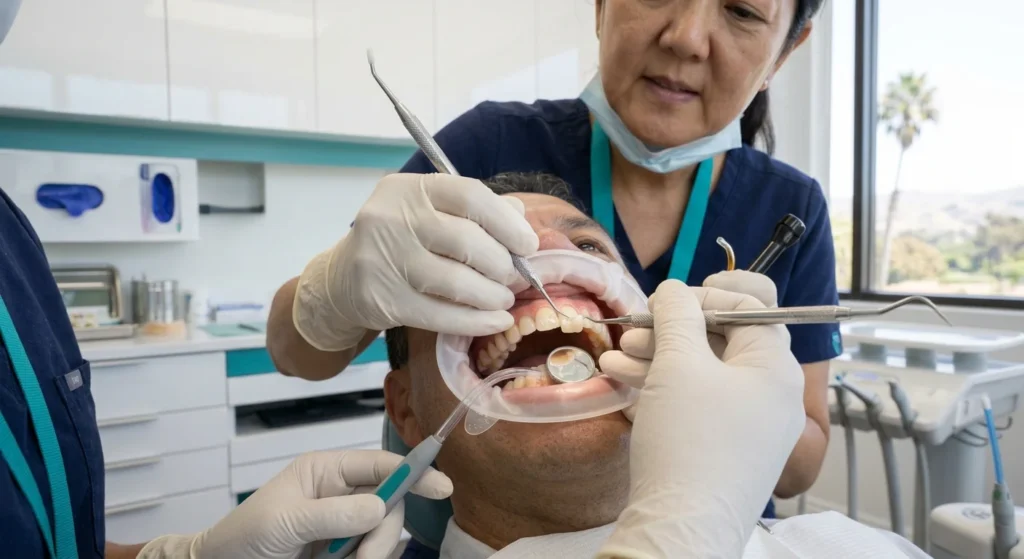
There is no single treatment for every fractured tooth. We choose the least invasive option that can provide a stable and healthy result.
Dental Bonding
Bonding may repair a small chip or minor edge fracture. A tooth colored composite material is shaped and hardened to restore the tooth’s appearance.
Bonding may be appropriate when:
- The fracture is small
- The tooth is structurally stable
- The pulp is not involved
- The bite does not place excessive pressure on the area
Tooth Colored Filling
A filling may repair a small fracture or fractured cusp. It can restore the shape of the tooth and protect exposed dentin.
Dental Crown

A crown covers the remaining tooth structure. It may be recommended when a large portion of the tooth is damaged or when the tooth needs protection from further splitting.
A crown may follow root canal treatment when the tooth has enough healthy structure to support restoration.
Root Canal Treatment
A fracture may expose or injure the pulp. This can cause inflammation or infection inside the tooth. Root canal treatment removes the damaged pulp, cleans the canals, and seals the tooth.
A crown may be needed afterward to protect the tooth from additional chewing forces.
Stabilization
A tooth affected by trauma may become loose or shift position. In selected cases, the dentist may reposition the tooth and use a flexible splint while the supporting tissues heal. The AAE trauma guidelines describe splinting and follow-up for certain crown, root, and displacement injuries.
Tooth Extraction
Extraction may be necessary when:
- The fracture extends below the gumline
- The tooth is split into separate sections
- The root damage cannot be repaired
- There is not enough healthy structure for a restoration
- Infection or bone damage makes saving the tooth unpredictable
If extraction is necessary, we can discuss replacement options such as a dental bridge, denture, or dental implant.
What to Do Before Your Appointment
If you think you fractured a tooth, take these steps:
- Call a dentist as soon as possible.
- Avoid chewing on the affected side.
- Choose soft foods.
- Rinse gently with warm water.
- Use clean gauze if the area is bleeding.
- Save any broken tooth piece in a clean container.
- Use a cold compress outside the cheek if swelling occurs.
- Do not place aspirin directly on the tooth or gum.
- Do not file the tooth yourself.
- Do not use household chemicals or unapproved remedies.
If cold air or liquids cause pain, clean moist gauze may provide temporary comfort while you arrange care. The AAE advises against placing aspirin, ointments, or topical oral pain products directly on the injured area.
When Is a Tooth Fracture a Dental Emergency?
Contact a dentist promptly if you have a fractured tooth with pain, sensitivity, bleeding, swelling, or a loose section.
Seek urgent care for:
- Severe dental pain
- Facial swelling
- A visible deep fracture
- A tooth that has shifted
- Bleeding that does not stop
- A fracture after a facial injury
- Signs of infection
- A broken tooth that cuts your cheek or tongue
Call 911 or go to a hospital emergency department if you have trouble breathing, trouble swallowing, uncontrolled bleeding, or a serious head or facial injury. The ADA identifies painful tooth fractures and dental trauma with displacement or tooth loss as conditions that may require urgent dental treatment.
Our Tooth Fracture Treatment Process
Step 1: Same Day Triage
We ask about your symptoms and the cause of the injury. This helps us determine how quickly you need to be seen.
Step 2: Examination and Diagnosis
We inspect the tooth, test the bite, evaluate the pulp, and take dental images when needed.
Step 3: Explain Your Options
We explain whether the tooth may need bonding, a filling, a crown, root canal treatment, stabilization, or extraction.
Step 4: Provide Comfort
If you have pain or sensitivity, we focus first on making you comfortable and protecting the damaged tooth.
Step 5: Complete the Restoration
Once the tooth is stable, we complete the appropriate restoration. Some cases require more than one visit.
Step 6: Follow Up
Follow-up helps us check healing, monitor the pulp, and confirm that the tooth is functioning properly.
How Much Does Tooth Fracture Treatment Cost in Pico Rivera?
The cost depends on the treatment required. A small chip repaired with bonding usually requires less treatment than a fractured tooth that needs root canal therapy and a crown.
Factors that affect cost include:
- The location of the fracture
- The depth of the crack
- Whether the pulp is involved
- Whether an X-ray or additional imaging is needed
- The type of restoration
- Whether the tooth can be saved
- Whether the fracture followed an accident
- Your dental insurance benefits
During your visit, we can explain the recommended treatment and provide a clear estimate before moving forward. Delaying care may allow a small fracture to become more complicated, so it is best to have the tooth examined early.
Why Choose Our Pico Rivera Dental Office?
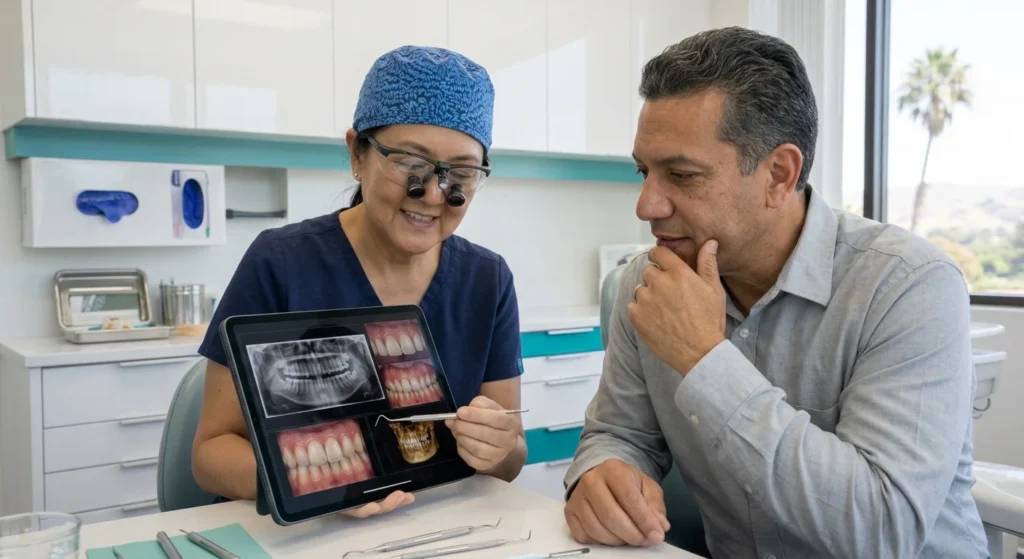
When you need tooth fracture treatment, you deserve clear answers and a practical treatment plan.
Our approach focuses on:
- Careful diagnosis before treatment
- Conservative treatment when possible
- Clear explanations of all options
- Comfortable emergency care
- Tooth-saving whenever predictable
- Modern diagnostic equipment
- Coordinated restorative and endodontic care
- Follow-up after treatment
- Treatment plans based on your needs and budget
We do not assume that every broken tooth needs a crown or extraction. We first determine what caused the fracture and how much healthy tooth structure remains.
Tooth Fracture Treatment Near Pico Rivera
Our dental office serves patients from Pico Rivera and nearby communities, including:
- Whittier
- Downey
- Montebello
- Santa Fe Springs
- Norwalk
- Commerce
- South El Monte
- Bell Gardens
If you have a cracked or broken tooth, do not wait for the pain to become severe. Contact our office to schedule an examination and learn which treatment may protect your tooth.